

By now, covered entities offering HIV prevention and treatment services to underserved communities are painfully aware of these stats: Of the 1.2 million individuals living with HIV in the U.S., 13% do not know they have it, and a 2019 study showed that only 43% of all U.S. adults aged 18-64 have ever been tested for HIV. What’s more, CDC data showed that the rate of HIV testing fell dramatically during the first year of the COVID-19 pandemic, down 49% for gay and bisexual men, 47% among those in the transgender community, 46% among Latinx people, and 44% for the Black community.
And while the federal Ending the HIV Epidemic in the U.S. (EHE) initiative aims to end the nation’s HIV epidemic by 2030, community health organizations are facing an uphill battle when it comes to encouraging groups shown to bear the burden of HIV/AIDS to test for the virus. “We already know that stigma, staggering health inequities, and social determinants of health act as roadblocks to patient testing engagement,” says Avita Chief Advocacy Officer Glen Pietrandoni. “Combine those factors with legislation that blocks access to prevention and care in a thinly veiled attempt to discriminate against the LGBTQ+ community, and covered entities have their work cut out for them.”
That’s why when it comes to hosting HIV testing events, covered entities should think outside the box and embrace new ways to reach their patient bases, Glen says. “Even though we’ve been battling the virus a long time,” he says, “we have to constantly innovate personalized ways to engage with people and offer them choices on how to prevent and treat HIV.” In response to this patient-engagement challenge, many of Avita’s partners are stepping up their outreach games during HIV testing events. Read on for 12 tips for holding events that maximize engagement and drive sustainable results.
Even though we've been battling the virus a long time, we have to constantly innovate personalized ways to engage with people and offer them choices on how to prevent and treat HIV.
Glen Pietrandoni, chief advocacy officer, avita
How to drive engagement at your HIV testing event
1. Keep testing events on the regular: National HIV Testing Day is recognized annually on June 27th, but holding testing events should be a priority for covered entities all year long, says Freda Jones, a community advocate who organizes testing outreach for AvitaCare Atlanta and its covered entity partner MedCura Health. “People are having sex all year long, so it’s crucial that we have HIV testing events regularly,” Jones says. “We have to let people know that we’re all human beings, sexual beings, and that it’s okay to have sex. It’s not what you do; it’s how you do it.”
2. Know your audience: Educating individuals about HIV, PrEP, and sexual health is not a one-size-fits-all endeavor. So, it’s essential to personalize messaging for your intended attendee base. On the flip side, if you’re doing an event that includes a broader demographic, ensure your materials and outreach approach are inclusive of all populations, says Jones. “You don’t want anyone to feel left out,” she says. For example, “African American women are often not represented on brochures,” she says.
3. Go where the patients are: Don’t expect patients to flock to the clinic in droves just because a testing event is on the calendar. Hosting testing and educational events where patients live their everyday lives or socialize—including clubs, festivals, fun runs, and other offsite venues—helps to reach target audiences successfully. “Why not hair salons and barbershops?” asks Jones, who mentions that these are businesses patients are already patronizing and where they often feel most at ease.
National HIV Testing Day is recognized annually on June 27th, but holding testing events should be a priority for covered entities all year long.
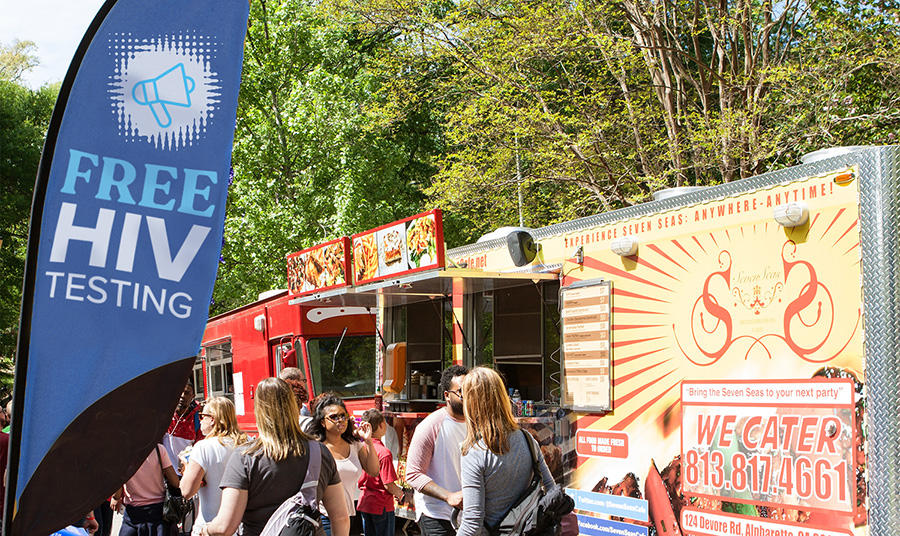
4. Make it interesting: HIV is a serious topic, but testing events don’t have to be buttoned up. Food, entertainment, speakers, and event swag can help lighten the mood and draw a crowd (even on a budget). Pro tip: Whether it’s a food truck Friday or a pajama party, integrating event themes can go a long way.
5. Get the word out early: Even the most perfectly planned HIV awareness events won’t succeed if no one knows about them. Organizations that leverage their websites, social media channels, and onsite and offsite printed materials as marketing tools in the weeks before the event are more likely to gain traction. So don’t forget your CTA (Call to Action): Tell your audience exactly what you want them to do, whether it’s calling for more information or showing up during a specific window of time.
6. Ensure convenience and efficiency: Besides offering a safe and inviting location, testing and prevention events that staff (or schedule) to allow for walk-in traffic, wait-free testing, rapid results, easy access to educational materials, and ample opportunity to ask questions are a win-win. “Nine a.m. to five p.m. doesn’t work for everyone,” Jones says. “You’re missing out on a large community that works during that time.”
Want to learn more? Read the full blog “12 Tips For Driving Attendance at Your HIV Testing Event” at the Avita Care Solutions Blog.